
 by pollycoull
In recent years, the role of art in urban environments has become increasingly essential to the fabric of cities worldwide. From vibrant street art that brightens up drab urban landscapes to murals that tell stories of cultural significance, the impact of art in urban environments has been significant. Not only does it contribute to the visual appeal of a metropolis, but it also fosters a sense of community and connection among its residents.
One of the most significant ways public expression in public spaces impacts communities is by breaking down social barriers. By bringing people together, sharing their perspectives and opinions through public expression, we begin to understand and appreciate the richness of our human heritage. This, in turn, breeds greater tolerance and acceptance. For instance, in a neighborhood where there is a notable lack of social diversity, a public student art contest installation that celebrates the customs of people from different cultural backgrounds can act as a catalyst for intercultural dialogue and appreciation.
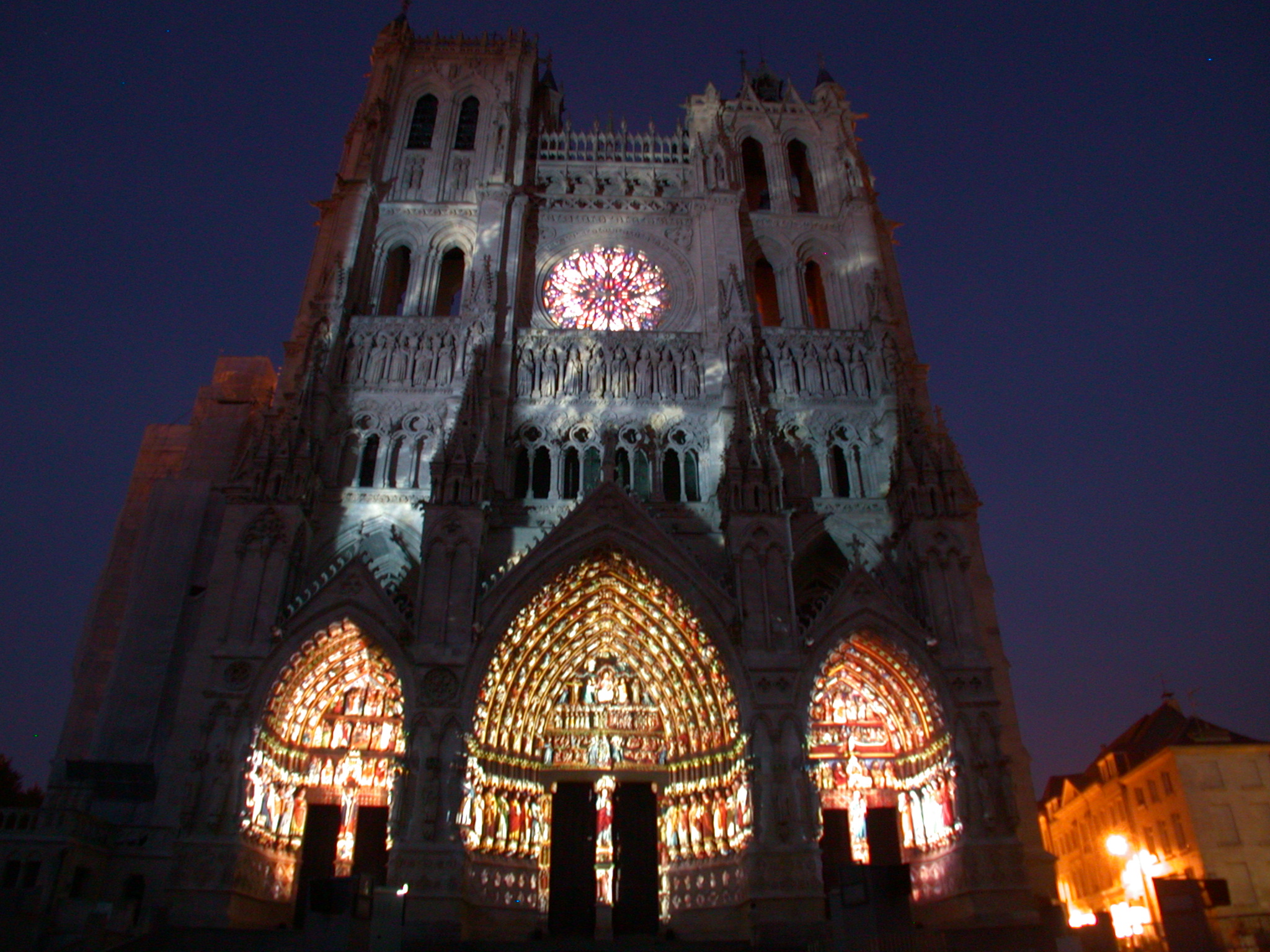
Moreover, art in urban environments can serve as a form of community expression and activism. Street murals, installations, and other forms of public expression can convey messages about human rights concerns, raise awareness about local problems, and promote positive development. In metropolises around the world, artists have used street art to voice concerns about issues such as environmental degradation, social injustice, and human rights. This has not only sparked discussions among community members but also encouraged them to become more involved in creating positive change.
Another significant impact of public expression in urban environments is its ability to rejuvenate and revive neglected areas. By bringing public expression to abandoned buildings, empty lots, and forgotten corners, we begin to see the potential and possibility in places that were once underappreciated. This can have a significant effect on local enterprises, as pedestrian traffic increases and new capital flows into previously neglected areas.
Public Expression in public spaces also has the power to conserve historical heritage and local history. public sculptures, installations, and other forms of public expression can be used to commemorate significant events, honor local hometown champions, and share narratives of community growth. This can help to educate visitors and residents alike about the metropolis’s legacy, its people, and its significance.
Community-based arts projects that involve residents in the creation and implementation of street art are also essential for fostering a sense of public ownership and patriotism. By involving local citizens in the decision-making process, providing them with opportunities to learn new abilities and collaborate with creatives, we build trust and encourage people to take a more active role in shaping their cities. This not only enhances the quality of the expression but also creates a deeper sense of connection among community members.
Finally, the financial benefits of art in public spaces should not be undervalued. Studies have shown that street expression can increase real estate values, attract tourism, and boost local enterprises. By investing in public art, cities can reap long-term financial rewards while also enhancing the standard of life for their residents.
In conclusion, the impact of art in public spaces and community projects is profound and multifaceted. By fostering community connection, promoting cultural understanding, and reviving neglected areas, street art plays a vital role in shaping the character of our metropolises and towns. As we move forward, investing in street expression initiatives will continue to have a lasting impact on the lives of individuals, cities, and entire cities.
Leave a Reply